
The various categories of low side windows listed on page 8 are illustrated by examples here, and on the following pages. Wherever possible photographs of the interior are also included to show how the internal walls were likely modified to accommodate a seated confessor. In many cases internal seats are provided, formed at the base of the deep splays through the thickness of the walls. Externally some windows appear to be rather low to the ground, and therefore inconvenient for the penitent, but this may be due to the rise in the height of the ground level in the grace yard in the intervening years (e.g. St Mary's, Raydon, Suffolk), or conversely (though more rarely) where a low side window appears externally too high, but where there is evidence that the ground height outside has been lowered (e.g. St Peter's, Sandridge, Hertfordshire). In some instances the low side window was installed at the time the chancel was built as is evidenced by the style of its construction. At St Mary's, Albury, Hertfordshire, for instance, there is a low side window on the north side which is architecturally similar to (though smaller than) the other windows in the chancel, which was built c1230.1
A: Independent openings: No pre-existing chancel windows deemed close enough to its western end to be modified.
In this category the existing chancel windows are deemed too far from its western end at the junction with the nave (the normal location for confession to be heard). The solution would be to install a new, shuttered, opening in that location, and at a height convenient for both penitent and confessor. This appears to be the most common type of low side window. There are also some examples (e.g. St Mary, Raydon, Suffolk, and St Andrew, Buckland, Herts) where the low side windows were likely installed when the chancel was built, and not as a latter addition.


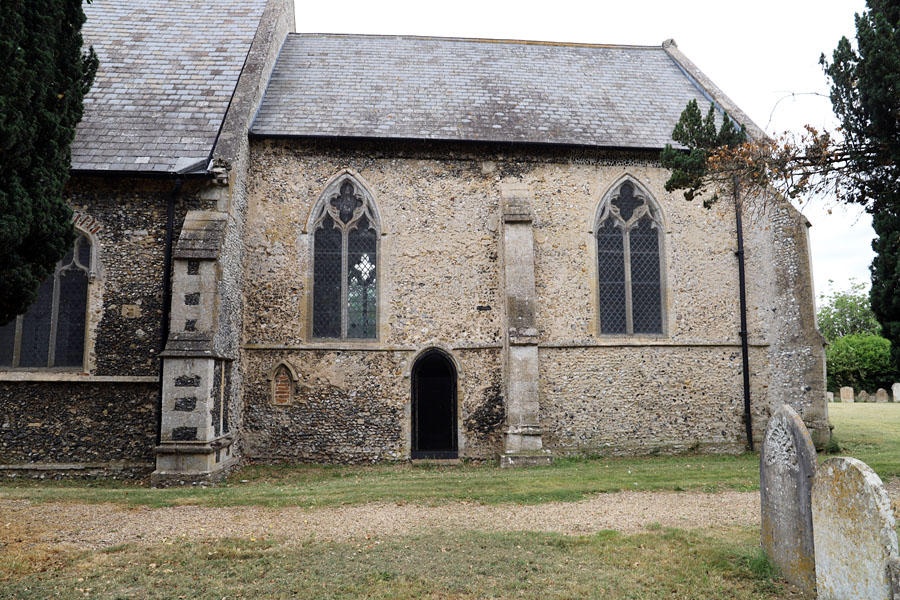


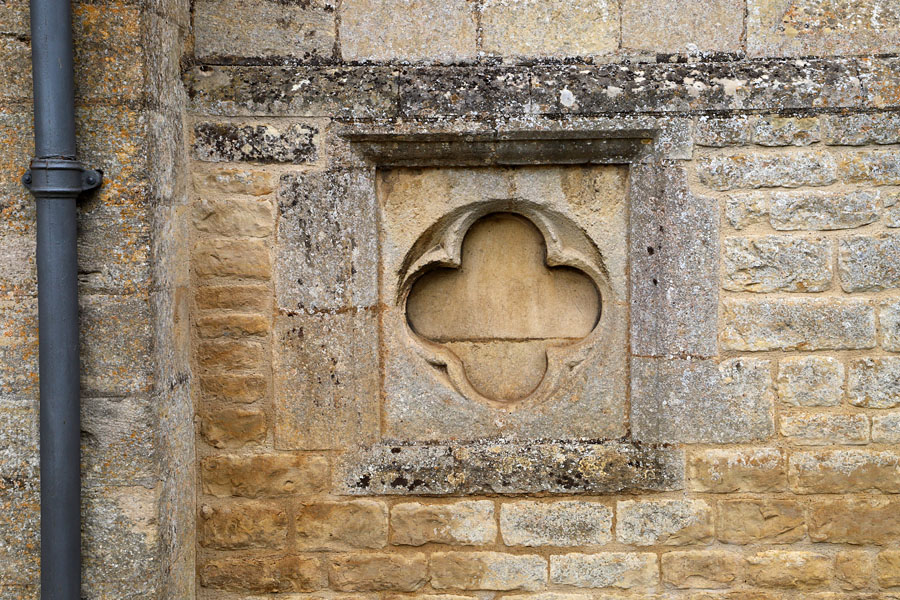
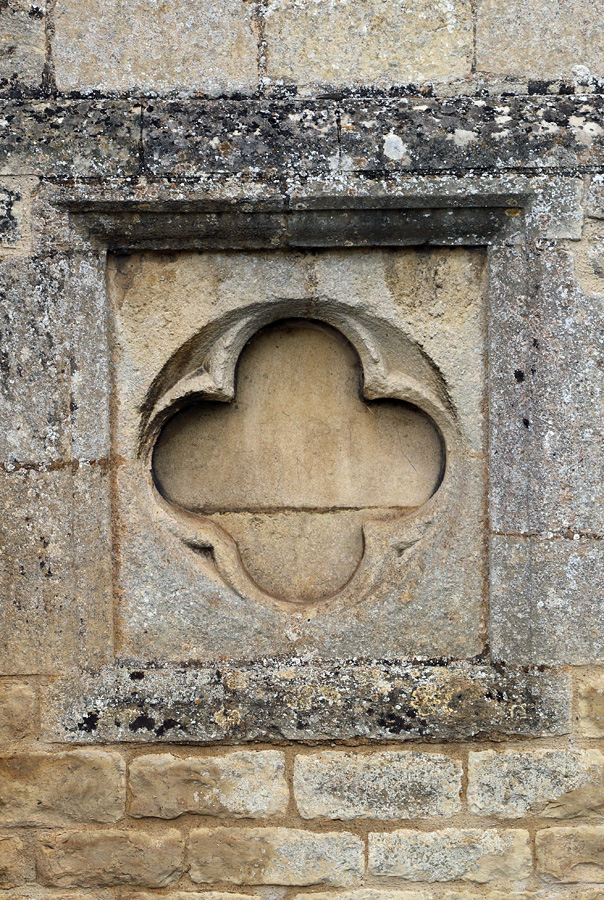
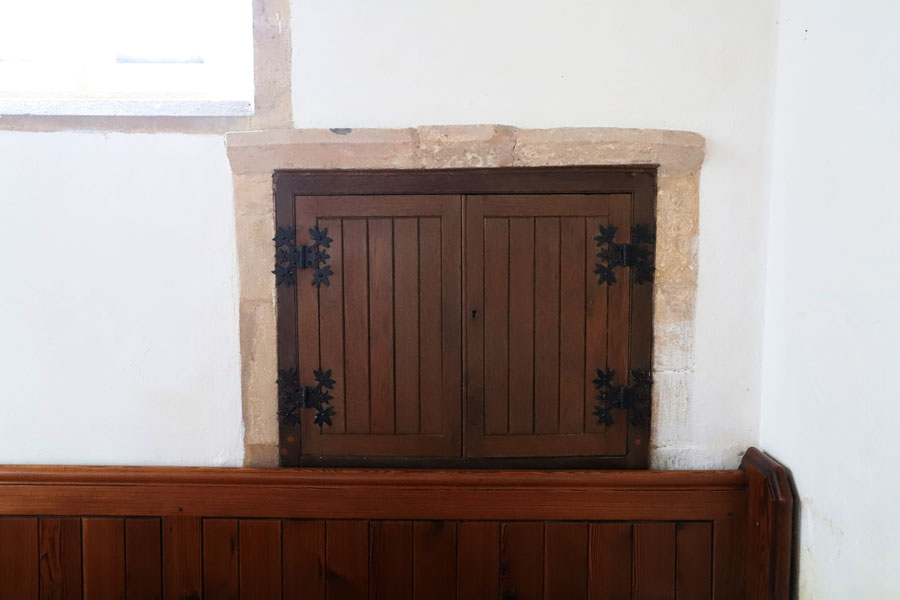
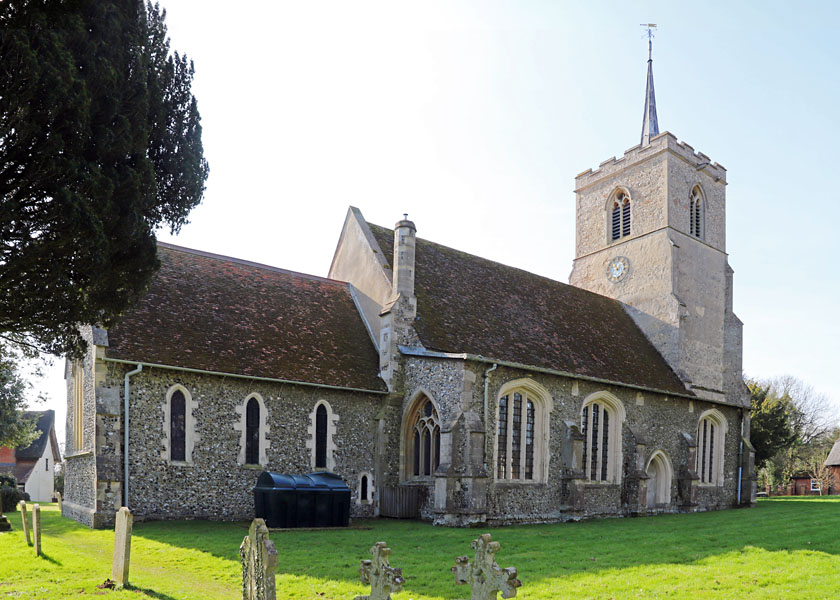

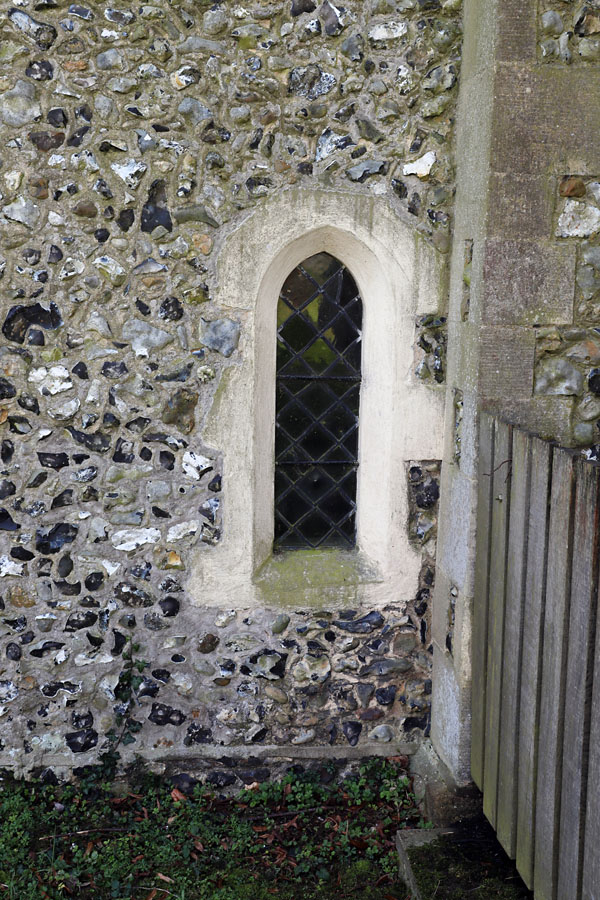
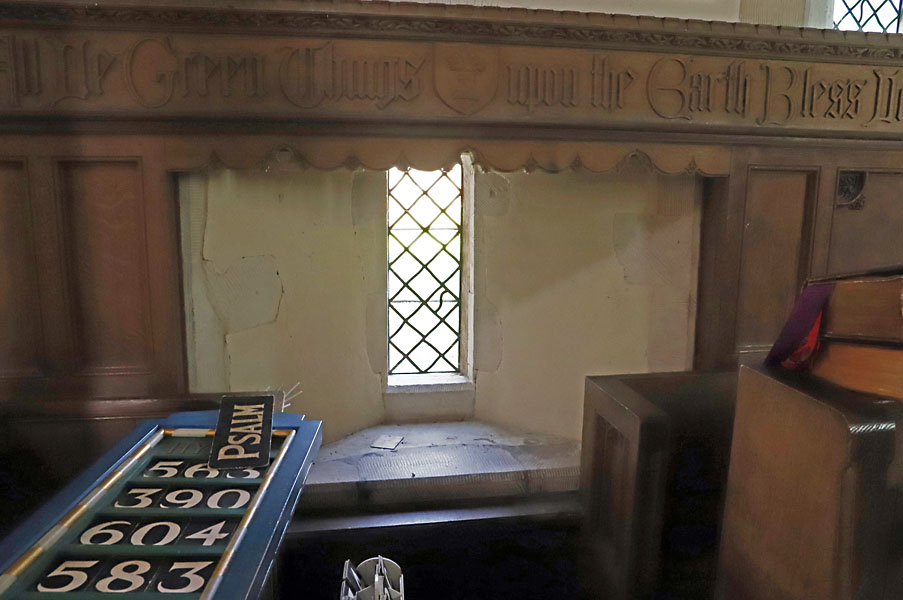


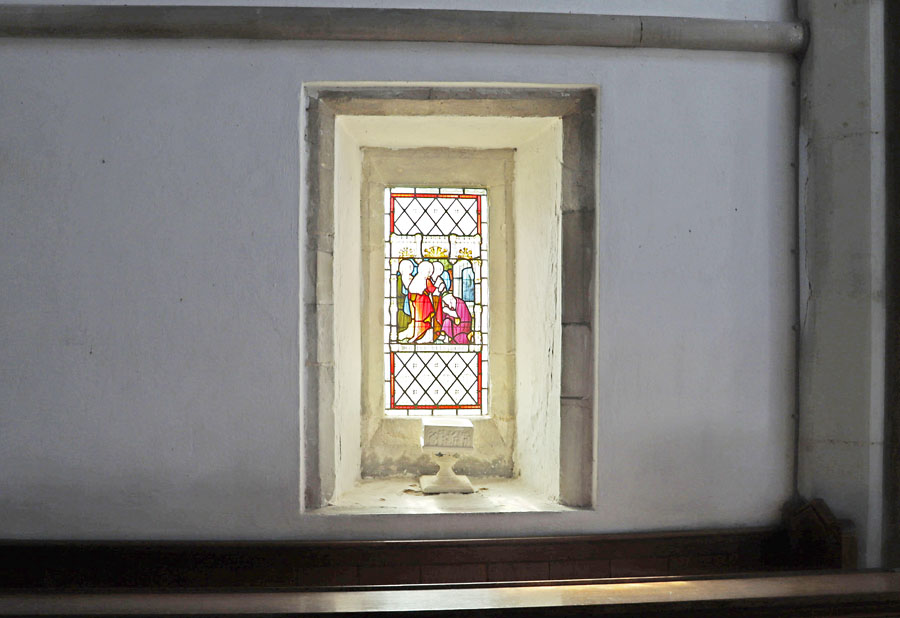


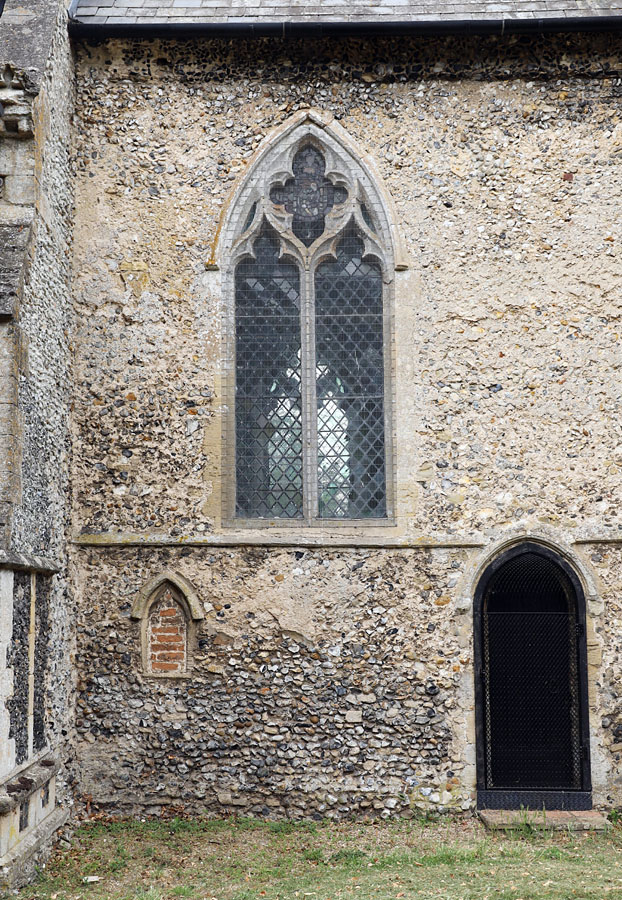
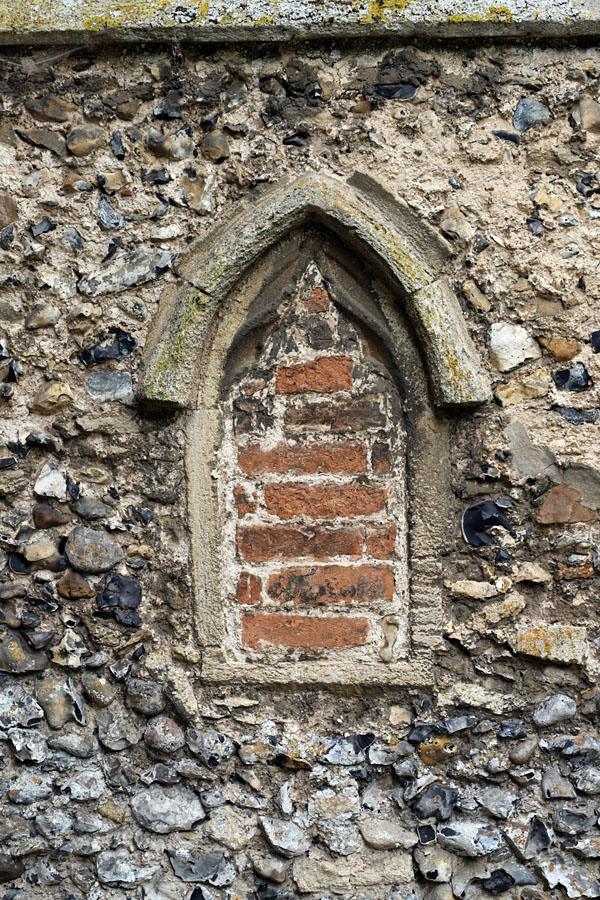


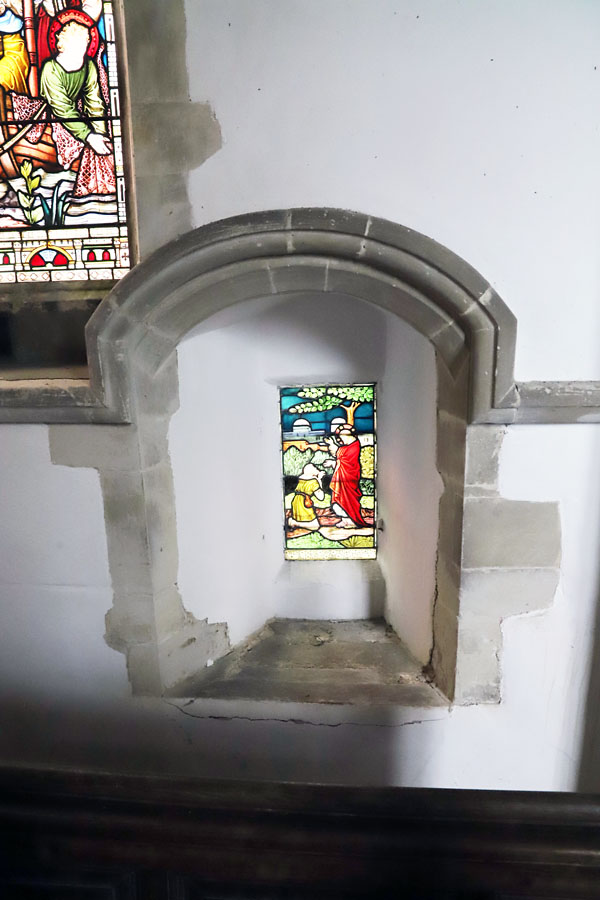
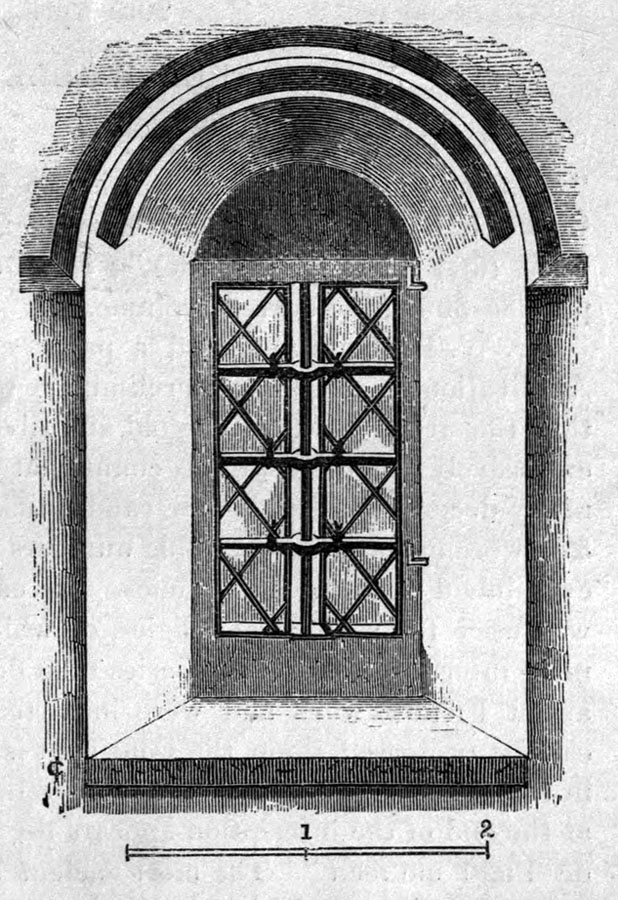


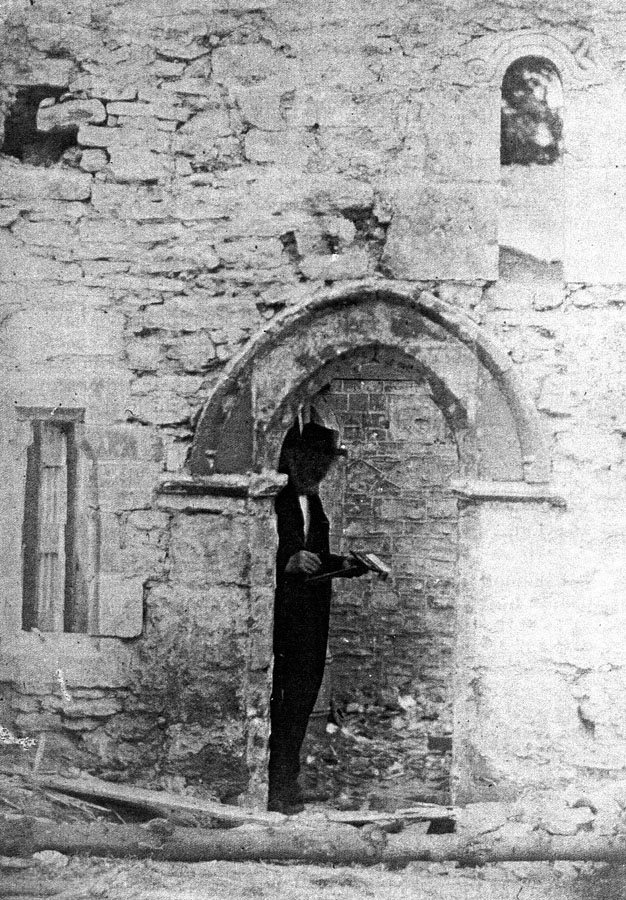
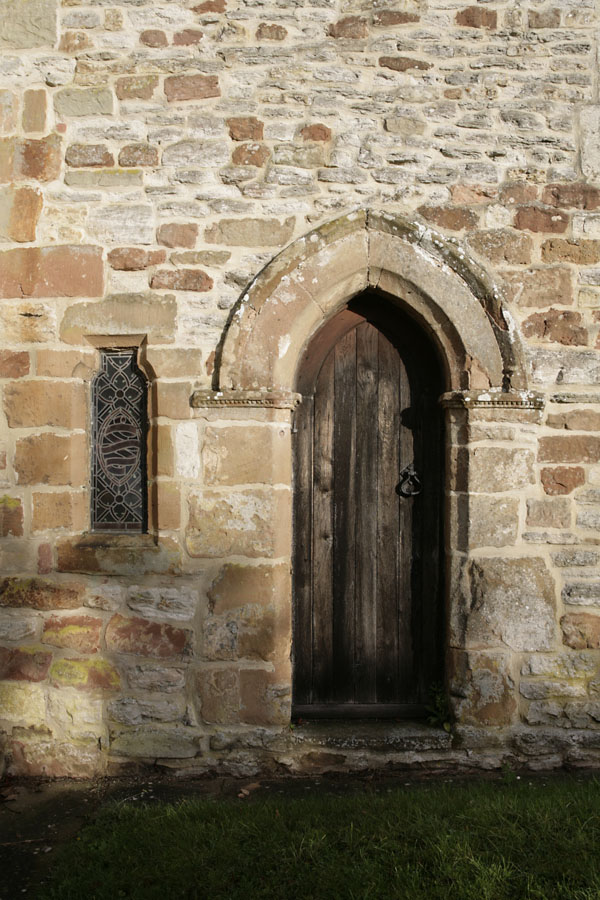
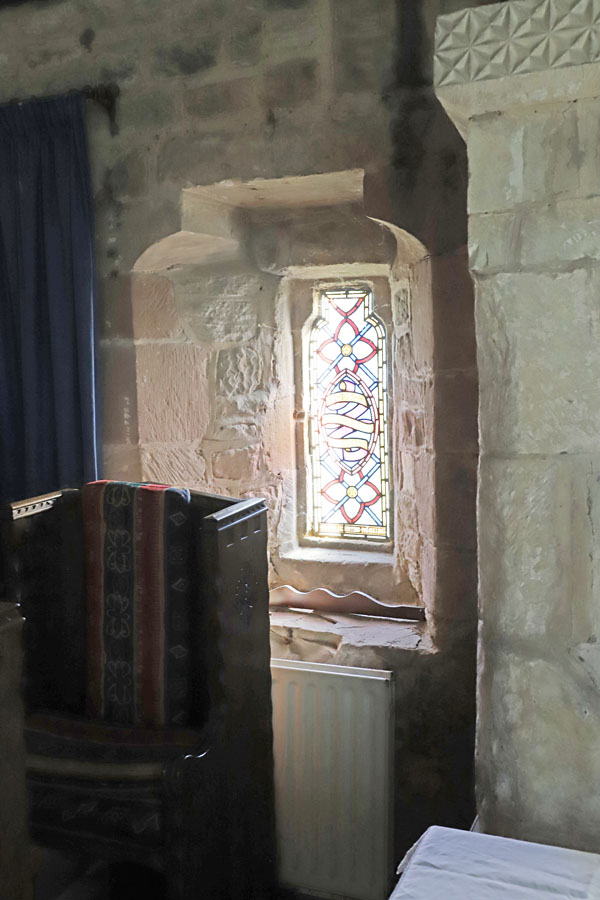


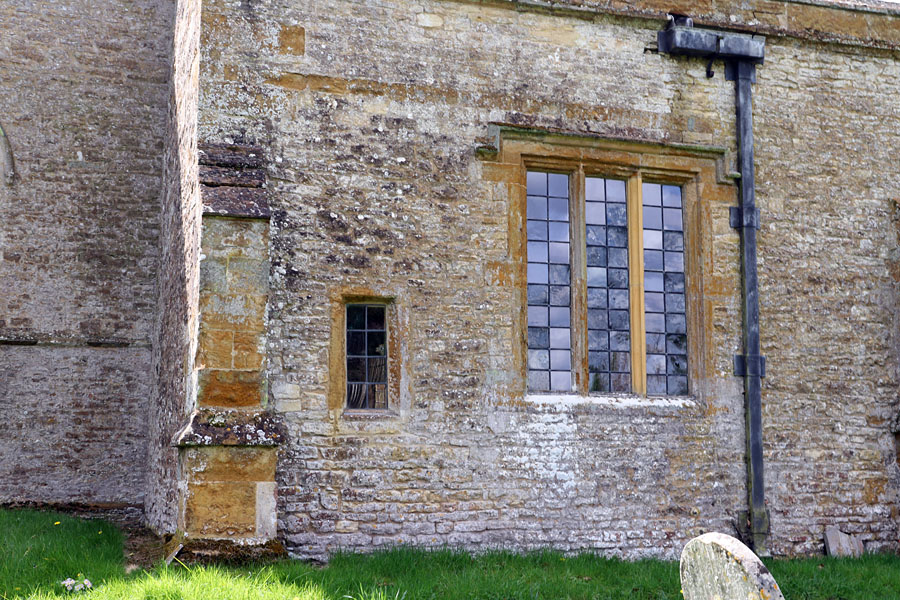


To view additional examples of this class of low side window click here.
References & Footnotes: Use your browser's Back button to return to text.
- British History Online. An Inventory of the Historical Monuments in Hertfordshire. Originally published by His Majesty's Stationery Office, London, 1910.